How a Super Robot Anime Became a Revolutionary Icon for Filipinos
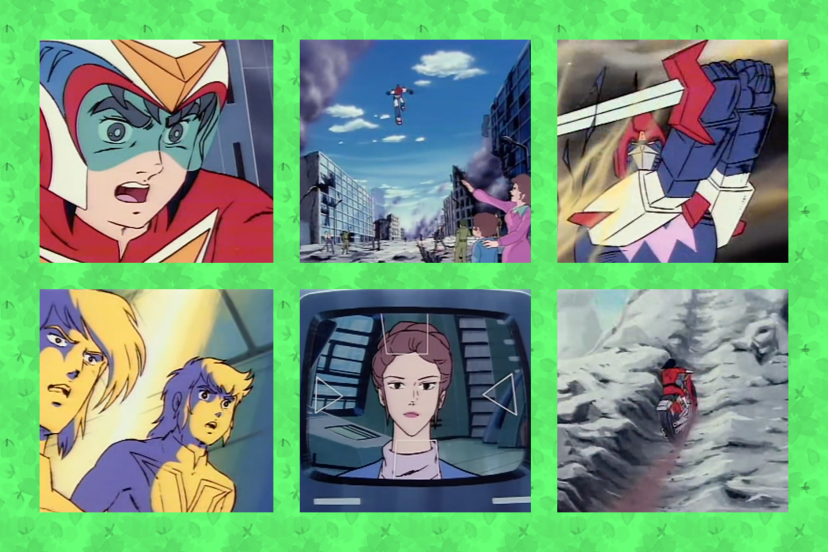
Anime has long been a powerful cultural force, influencing generations of fans around the world. In the Philippines, a particular genre of anime—super robot shows—became a revolutionary icon, igniting the imaginations of countless viewers and becoming a symbol of empowerment, resilience, and national pride. Among the many iconic super robot anime online pokies australia series that captured the hearts of Filipinos, Voltes V stands out as one of the most beloved and influential, transcending the typical appeal of animation to become a cultural phenomenon that resonates with Filipinos to this day.
How did Voltes V, a Japanese super robot anime, evolve into a revolutionary icon for Filipinos? The answer lies in the complex intersection of the show’s narrative, its arrival during a tumultuous political era in the Philippines, and the profound emotional connection it forged with its audience.
The Rise of Super Robot Anime in the Philippines
To understand Voltes V’s importance in Filipino culture, we first need to look at the rise of the super robot genre in the country. In the 1970s and 1980s, Japanese anime began to make its way into Philippine television, a cultural shift that would eventually revolutionize how Filipinos consumed media. Super robot anime, in particular, was a major genre that resonated with young audiences, thanks to its high-octane action sequences, compelling characters, and moral themes.
Shows like Mazinger Z, Great Mazinger, and Raideen introduced audiences to the concept of giant robots fighting to protect humanity from evil forces. However, it was Voltes V, which premiered in the Philippines in 1978, that truly captivated the nation and became a revolutionary cultural icon. The show’s unique combination of action, emotion, and political undertones made it much more than just a children’s program—it struck a chord with Filipino viewers of all ages and backgrounds, leaving a lasting impact on the national consciousness.
A Heroic Narrative with Political Resonance
One of the key factors that contributed to the cultural significance of Voltes V in the Philippines was its deeply resonant narrative. The story revolves around a team of five young pilots who control a giant robot, Voltes V, to fight off an alien invasion. As they battle the alien forces, they also face personal struggles, familial issues, and themes of sacrifice, loyalty, and unity.
However, it wasn’t just the action-packed robot battles that captivated the Filipino audience. The show’s narrative also contained subtle but potent political themes, particularly its focus on resistance against oppressive regimes. The villains in Voltes V are led by the evil leader, Prince Zardoz, and his oppressive army. The message of fighting for freedom and justice against a tyrannical force resonated deeply with Filipinos, who were living under the martial law regime of President Ferdinand Marcos at the time.
When Voltes V first aired in the Philippines, it coincided with the period of Martial Law (1972-1981), a time of severe political repression, censorship, and human rights violations in the country. Filipinos were experiencing a climate of fear and uncertainty, and the symbolism of the Voltes V team fighting against a corrupt, authoritarian enemy mirrored the struggles many were facing in their own lives. The battle for justice and freedom within the show became a powerful allegory for the political resistance that was brewing within the country.
The characters of Voltes V, particularly the brave and compassionate heroes, also provided a sense of hope and empowerment to the Filipino people. The team of pilots, each with their own strengths and weaknesses, exemplified the values of teamwork, sacrifice, and standing up for what’s right. In a time when the Philippines was experiencing political strife, the show offered a message of unity and courage in the face of adversity.
Cultural Symbolism and National Pride
Another reason Voltes V became a revolutionary icon for Filipinos is the sense of national pride it cultivated. The Filipino audience identified strongly with the struggles and triumphs of the Voltes V team. The characters, especially the lead pilot, Steve Armstrong, and his team members, embodied qualities that Filipinos admired: bravery, loyalty, and a commitment to justice. They were not just fighting for the world, but for the greater good, qualities that resonated with the Filipino spirit of bayanihan (communal unity).
Moreover, Voltes V became a symbol of the Filipino “underdog” mentality. Much like the resistance movements that fought against oppressive political systems, the Voltes V team was often outmatched and outgunned, yet they persisted through sheer will and determination. This underdog dynamic was something that Filipino viewers could relate to, as the country was struggling against a dictatorial regime that seemed insurmountable.
The show’s themes of family also played a crucial role in forging a connection with Filipino viewers. At the heart of Voltes V is the relationship between the Armstrong siblings—Steve, the older brother, and his younger siblings who work together to pilot the giant robot. This familial bond, filled with love, sacrifice, and loyalty, echoed the importance of family in Filipino culture. The show’s portrayal of family unity, particularly the willingness to fight for one another, struck a deep chord in a society where family plays a central role in social life.
The Controversy and Ban: A Testament to Its Impact
The cultural and political significance of Voltes V in the Philippines was so powerful that it even faced government censorship. In 1979, after just a year on air, the show was abruptly pulled from Philippine television by the Marcos regime. The reason? Authorities believed that the show’s political messages were too subversive and potentially inflammatory, particularly in its portrayal of a group of young heroes fighting an oppressive, militaristic enemy.
The cancellation sparked outrage among fans, especially children who had grown attached to the characters and their mission. It wasn’t just a loss of entertainment; it felt like a loss of hope for many. The cancellation of Voltes V became a rallying point for the public’s growing dissatisfaction with the government, further solidifying the show as a symbol of resistance.
The controversy surrounding its removal only fueled its legend. Despite the ban, Voltes V continued to be a part of Filipino popular culture. It became a topic of conversation, a source of nostalgia, and a symbol of rebellion. The Filipino people’s attachment to the show showed how deeply the story and its characters had embedded themselves into the national consciousness.
Legacy: Voltes V in Modern Filipino Culture
Today, Voltes V is still regarded as one of the most iconic and influential anime series in Philippine history. It has left an indelible mark on Filipino pop culture, inspiring generations of fans and even influencing contemporary Filipino artists and creators. The show’s legacy is celebrated in various forms, from merchandise and tribute events to the ongoing affection of fans who grew up watching it.
Moreover, the political and social messages of Voltes V still resonate with Filipinos. Its themes of resistance, unity, and hope continue to inspire individuals and movements that seek justice and freedom. The anime’s legacy as a revolutionary icon is undeniable, and its impact on Filipino culture is profound, especially for those who witnessed its transformative influence during the Martial Law era.
As a cultural artifact, Voltes V transcended its role as a simple children’s cartoon. It became a mirror for the struggles of the Filipino people and a beacon of resistance in the face of oppression. Its message of hope, solidarity, and fighting for what’s right remains as powerful today as it was when it first aired, making Voltes V not just a super robot anime, but a symbol of Filipino strength and resilience in the face of adversity.
 Site Title